

Blog: sessions, travel, education and more
Equine Photography Tips; Photographing Different Types of Horse Breeds
As equine photographers we have a tendency to have the majority of clients in one breed or disciplines, So what do we do when we get a client with horses out of our comfort zone. Here are some of the steps I take when I photograph a new breed or discipline.
Be honest about your level of experience of what they are needing. More than likely they have seen your work and picked you for a reason so do not be afraid of being honest.
Research the breed or discipline for the ideal shots. I like to look at high level event photos. I will Google World or National shows for XXX breed. You can also Google photos, but to get ideal I go to the top level.
Practice. Do a model call similar to your upcoming shoot. If it is a uncommon horse breed or discipline, photograph your practice shoot as you would the one intended.
When photographing different horse breeds, understanding their unique characteristics and behaviors can significantly enhance the quality of your images. Here’s what to know about some common breeds:
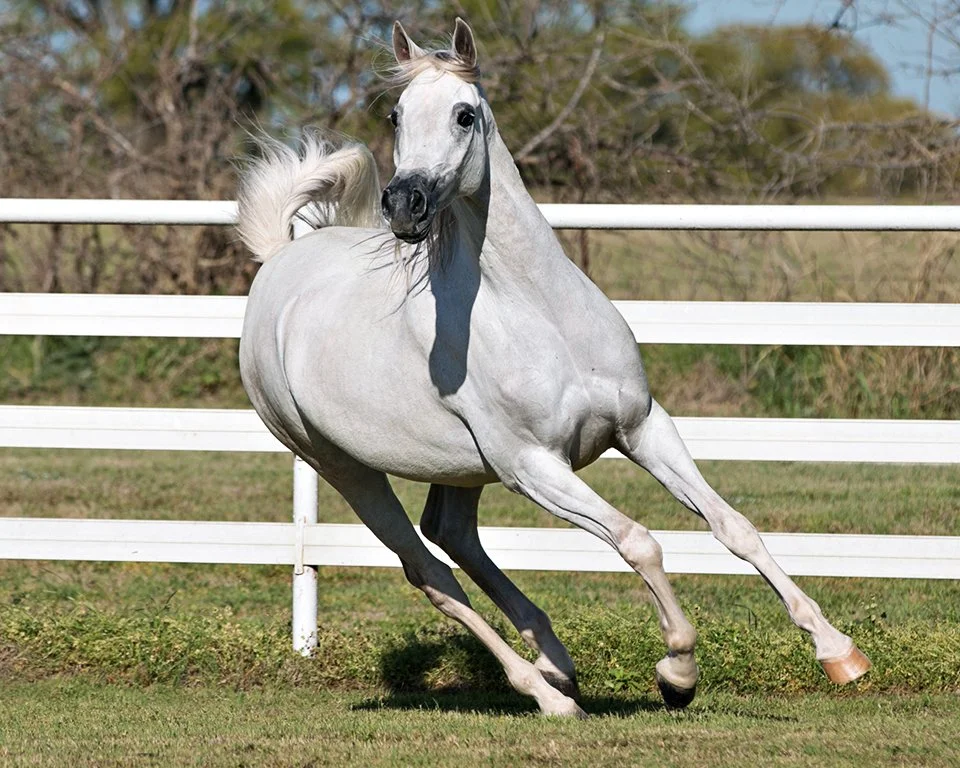
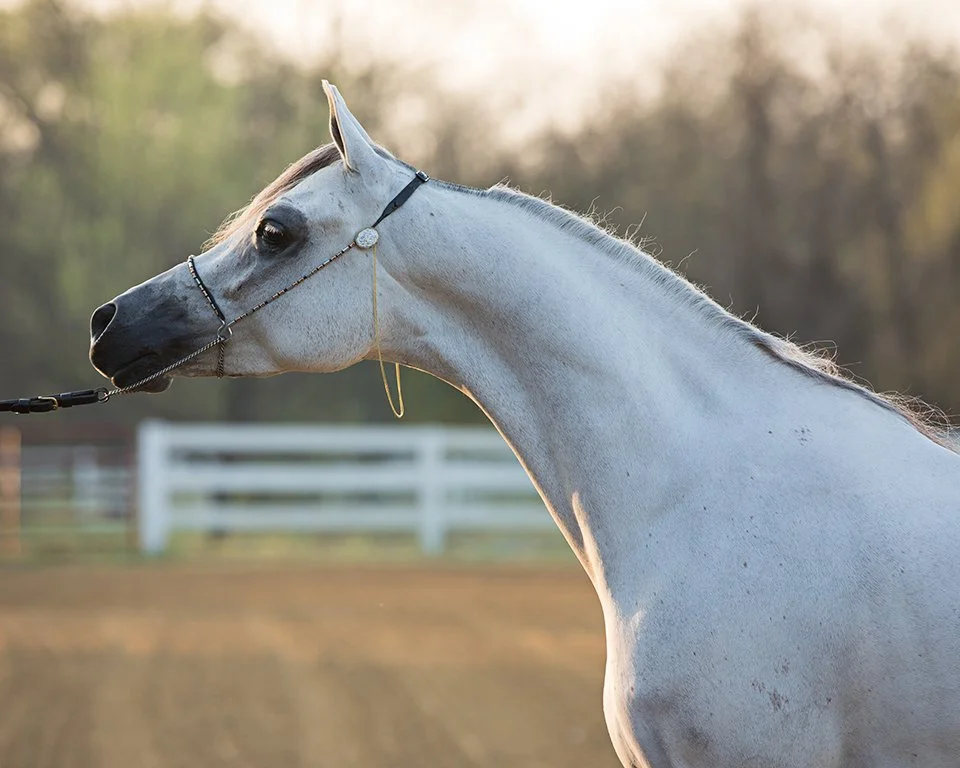
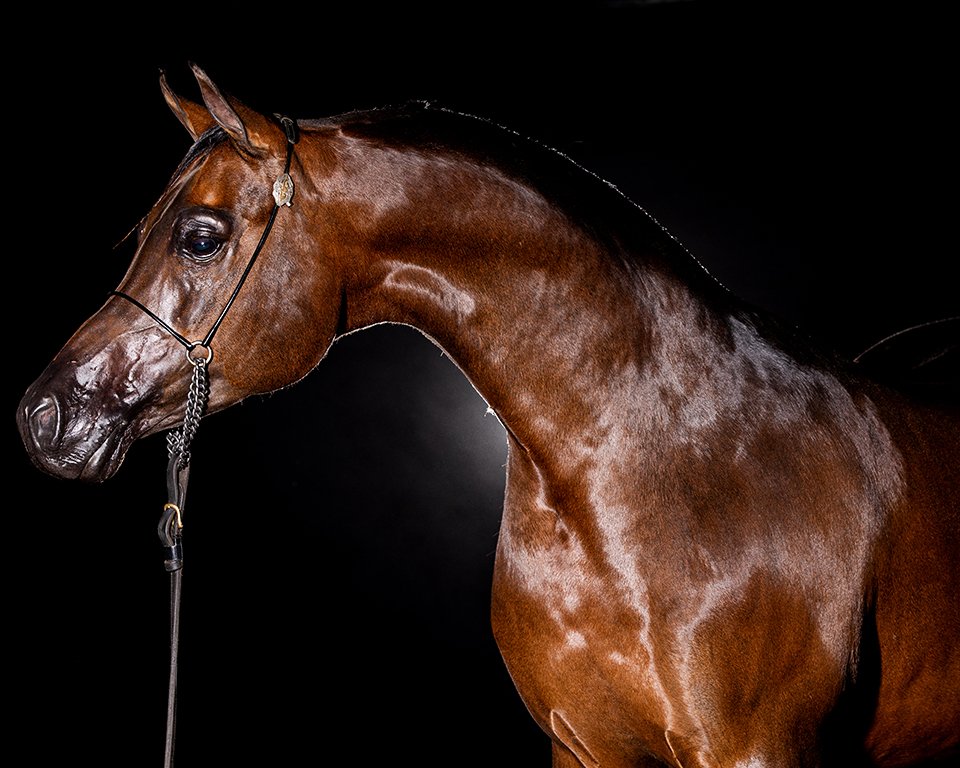
1. Arabian Horses
Characteristics: Known for their elegant, refined features, high tail carriage, and distinctive head shape.
Photography Tips: Highlight their arched necks and expressive eyes and nostrils. Capture their graceful movement in action shots, particularly in trot or canter.
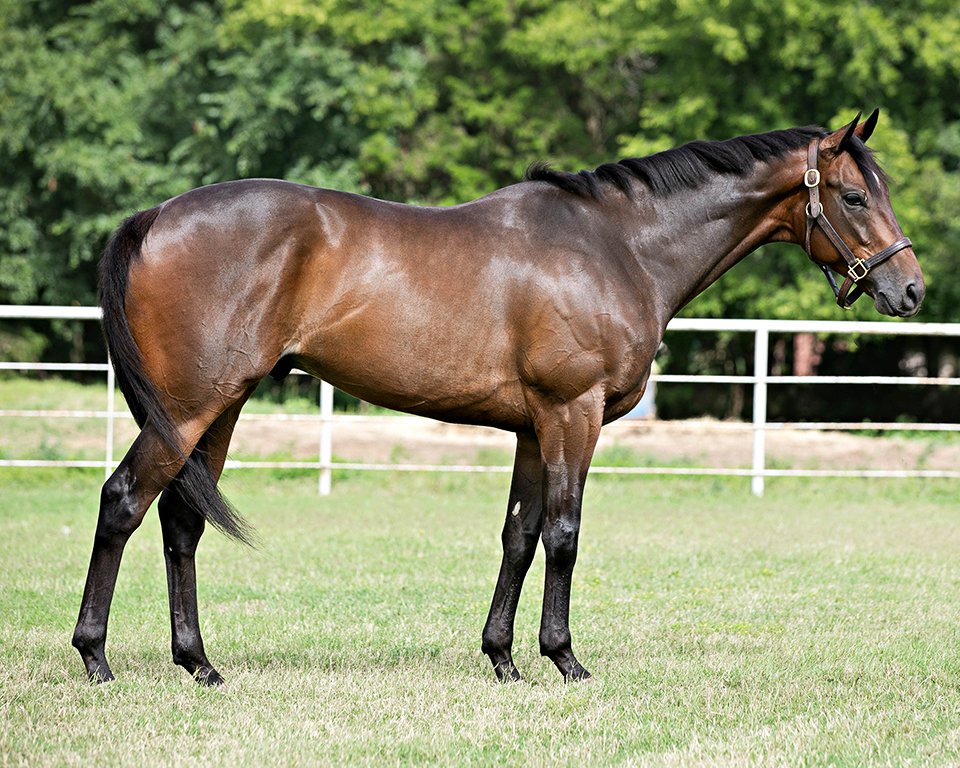
2. Thoroughbred Horses
Characteristics: Athletic, tall, and slim, Thoroughbreds are bred for speed and agility.
Photography Tips: Focus on their muscular build and powerful stride.
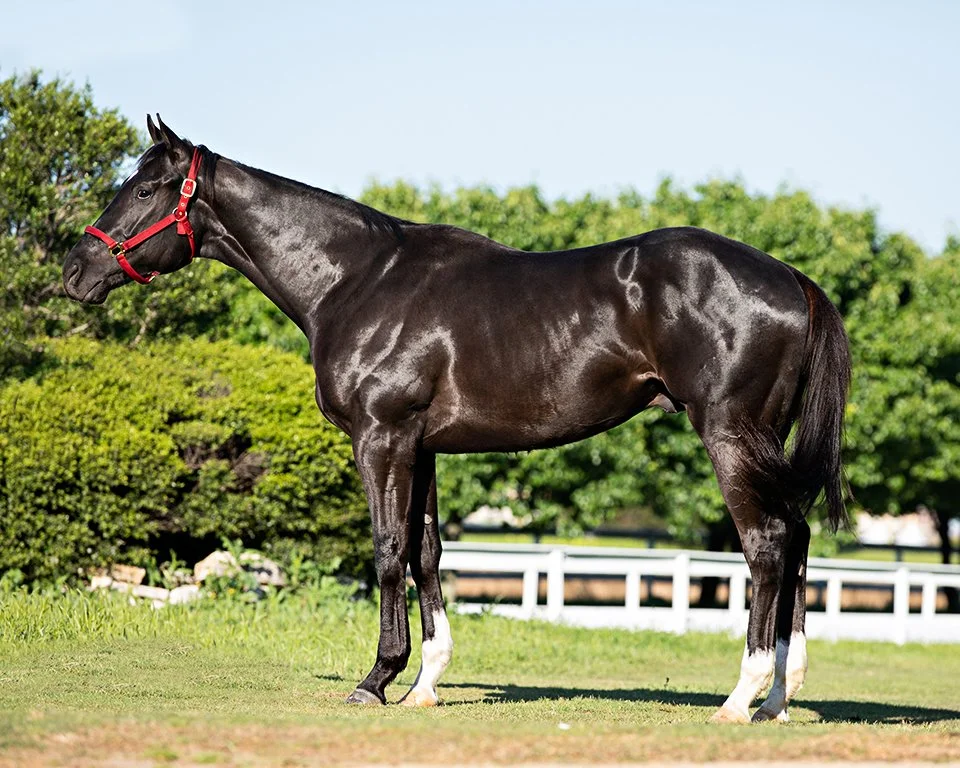
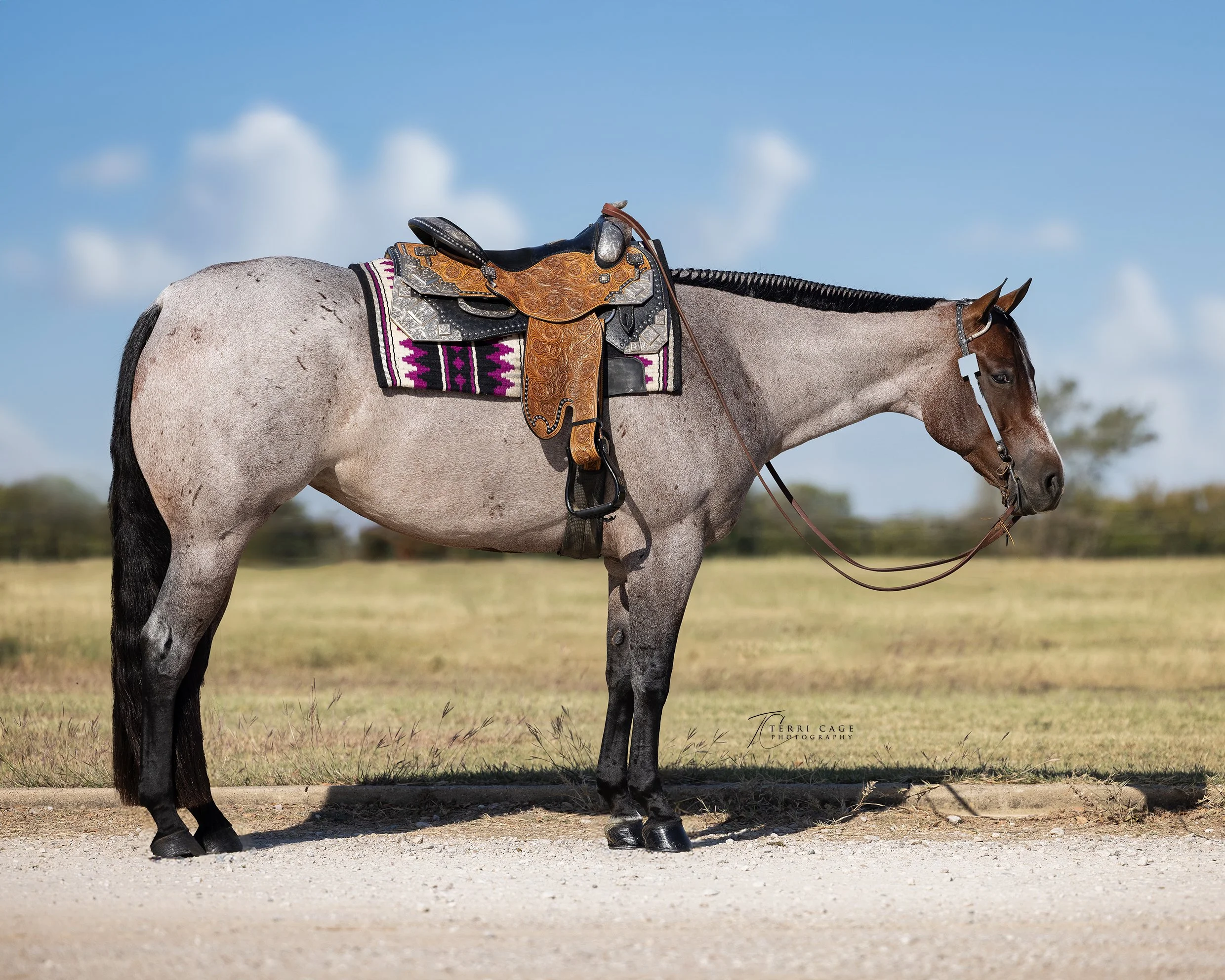
3. Quarter Horses
Characteristics: Stocky, muscular, and versatile, known for their calm temperament and powerful hindquarters.
Photography Tips: Emphasize their muscular build and wide chest. Capture them in
environments or during the many activities displaying their versatility
4. Friesian Horses
Characteristics: Black, with a flowing mane and tail, and a strong, compact build.
Photography Tips: Highlight their luxurious manes and the contrast of their black coat against a lighter background. Portraits that capture their proud stance are especially striking.
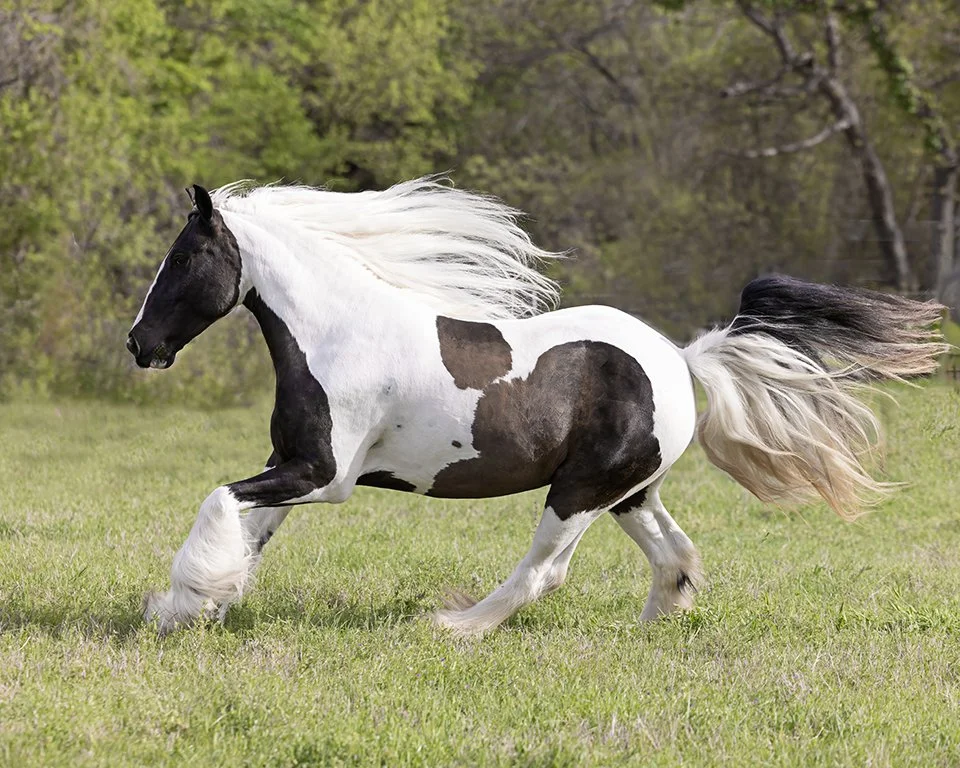
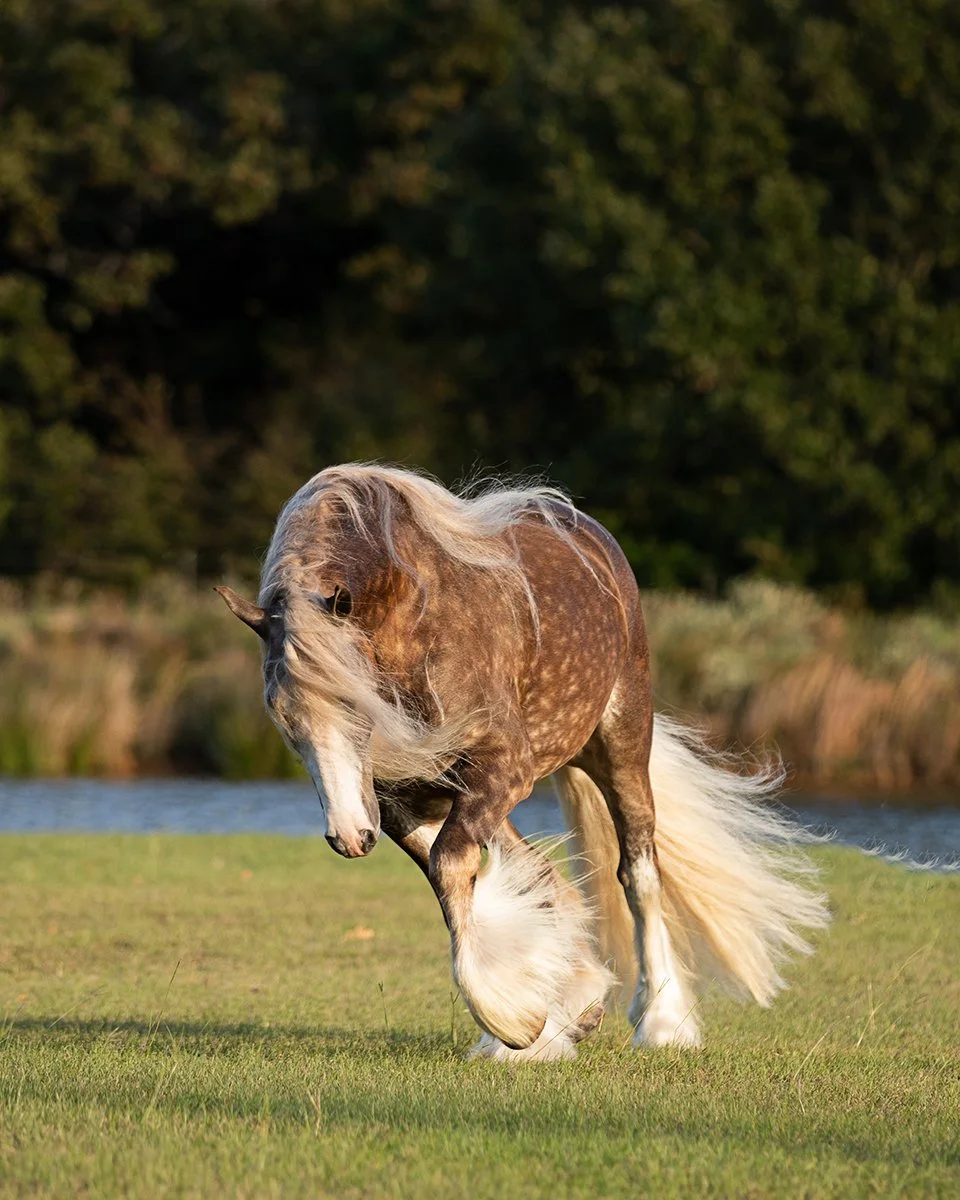
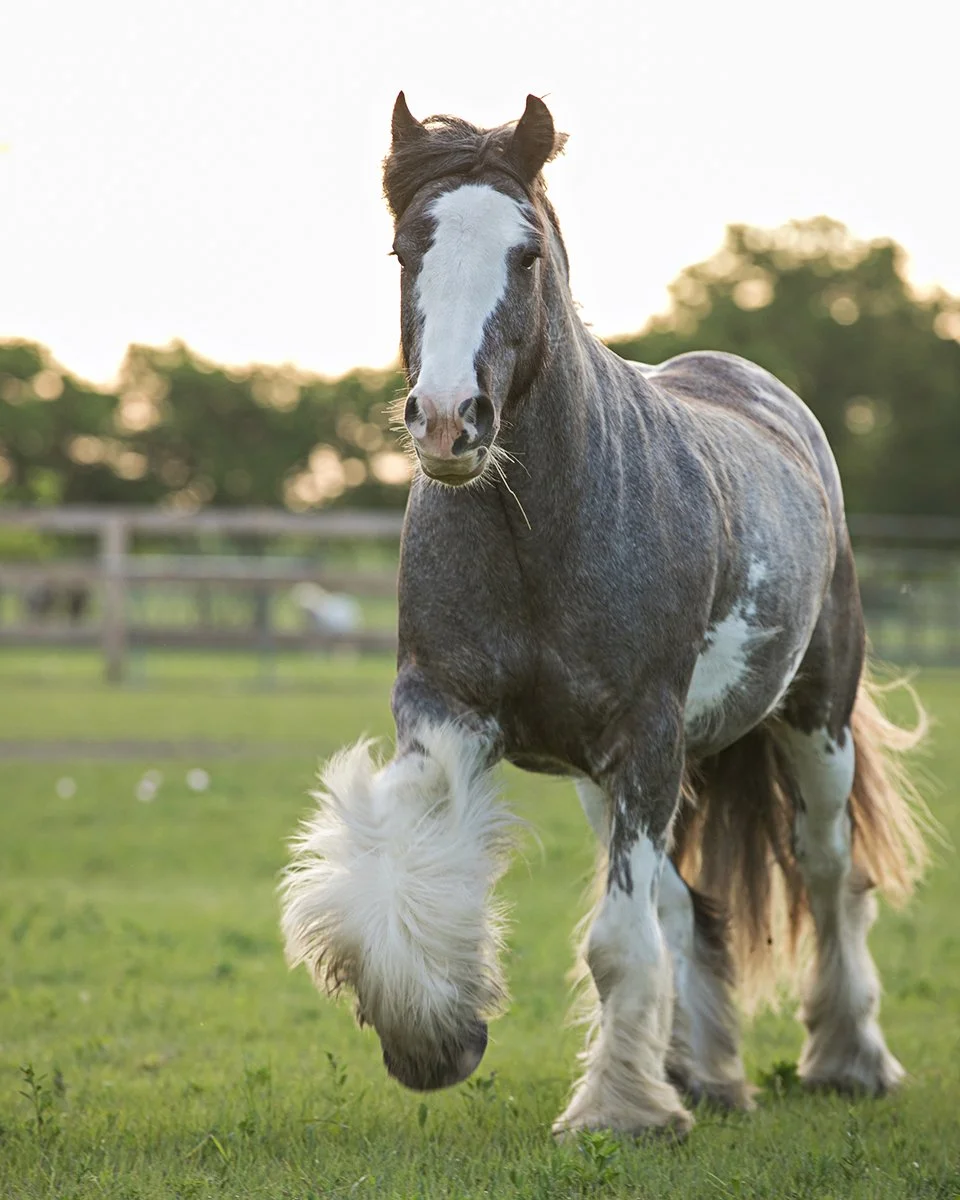
5. Draft Horses
Characteristics: Large, heavy draft horses, many with distinctive feathering on their legs.
Photography Tips: Capture their imposing size and the detail of their feathered legs. Photos of them working or pulling a carriage can evoke their historical roles. Many are broke to ride so show their gentle demeanor.
6. Warmbloods
Characteristics: A versatile breed often used in dressage, show jumping, and eventing, known for their balance and athleticism.
Photography Tips: Highlight their elegance and strength, especially in motion. Shots of them during dressage or jumping showcase their skill and poise.
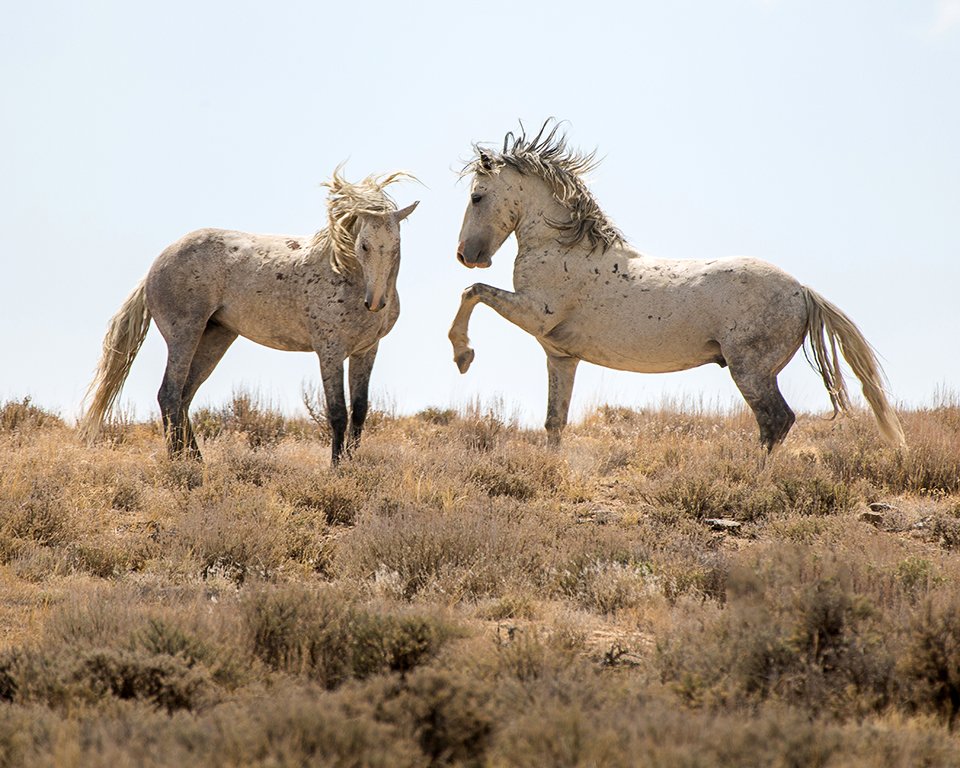
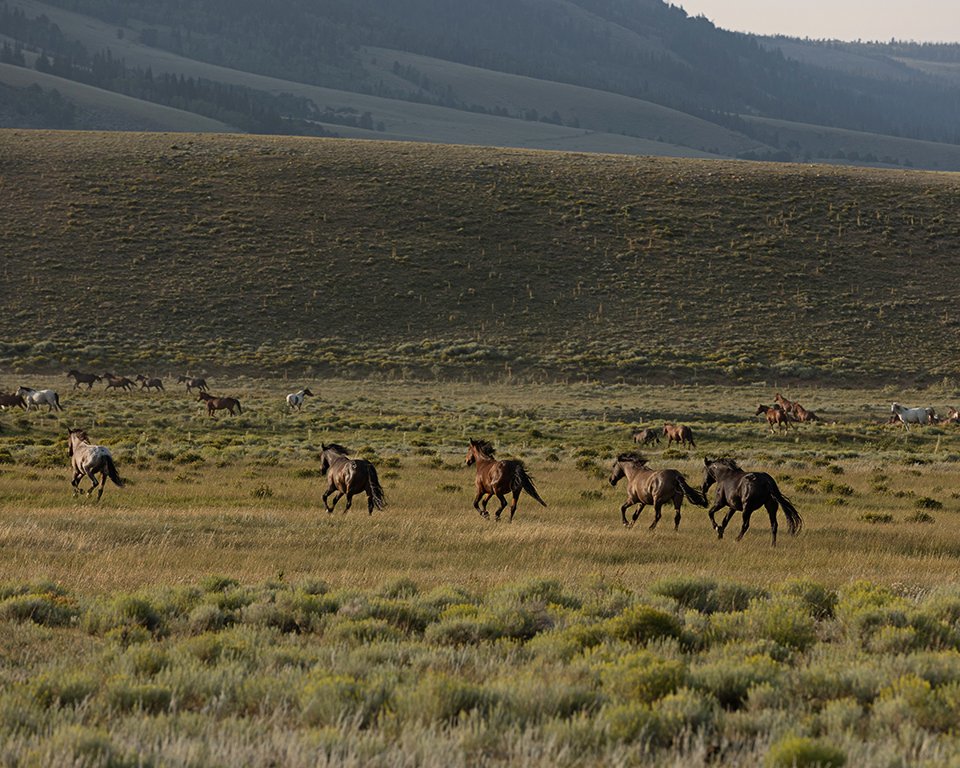
7. Mustangs
Characteristics: Wild horses with varied physical traits, known for their spirit and resilience.
Photography Tips: Capture them in their natural habitat to emphasize their wild nature. Focus on the freedom and untamed beauty they represent.
8. Ponies (e.g., Shetland, Welsh)
Characteristics: Smaller stature, often with sturdy builds and strong personalities.
Photography Tips: Capture their playful, curious nature, especially in interactions with people or other animals. Close-up shots can highlight their expressive faces.
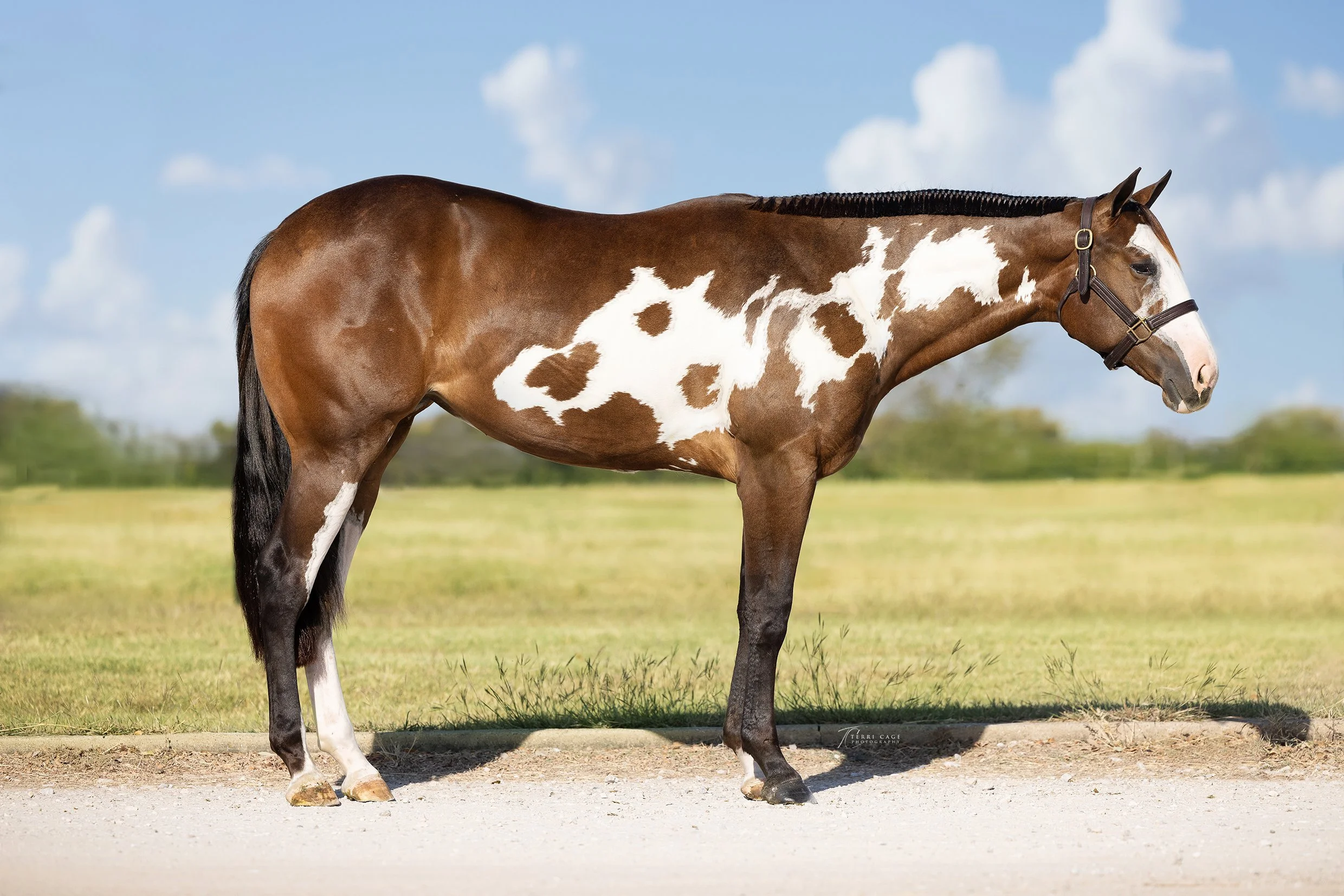
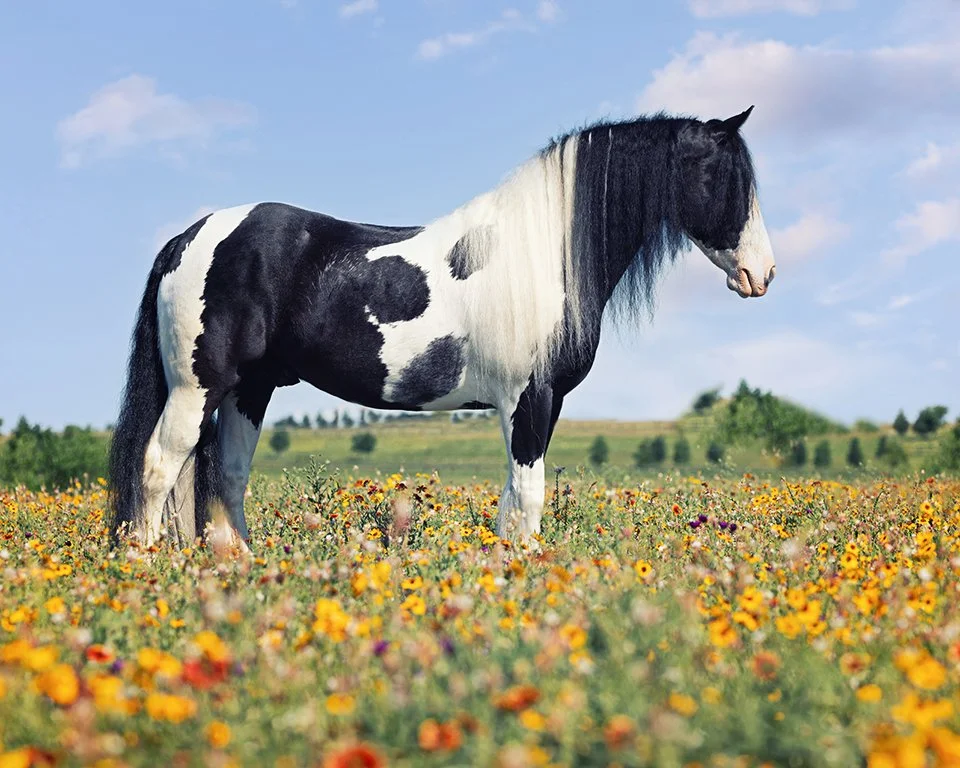
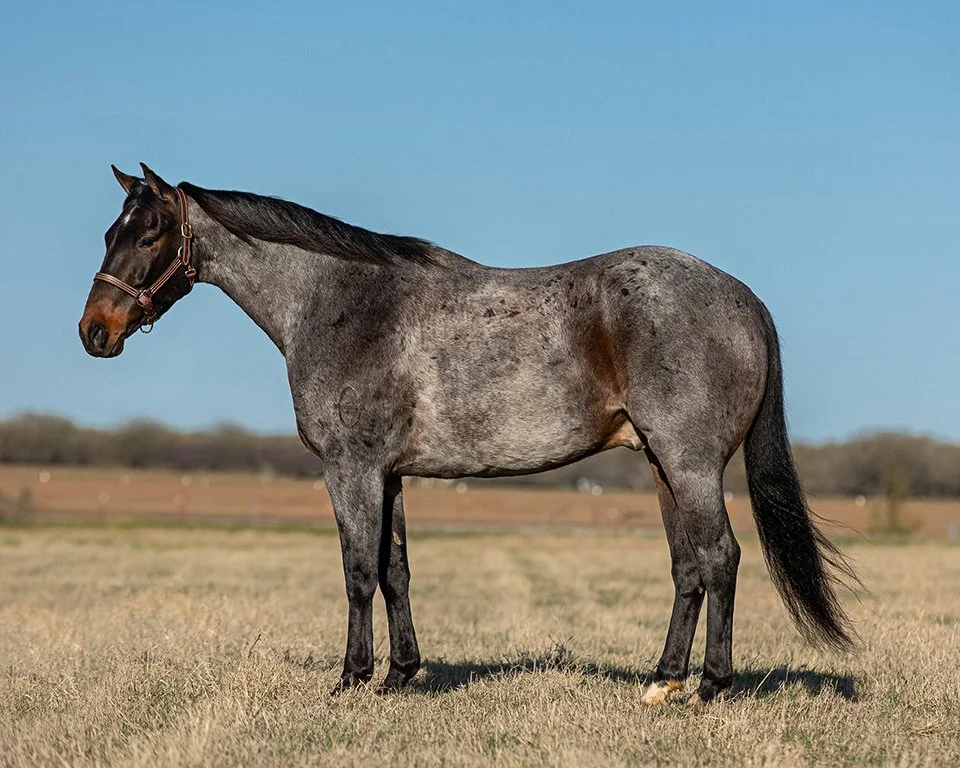
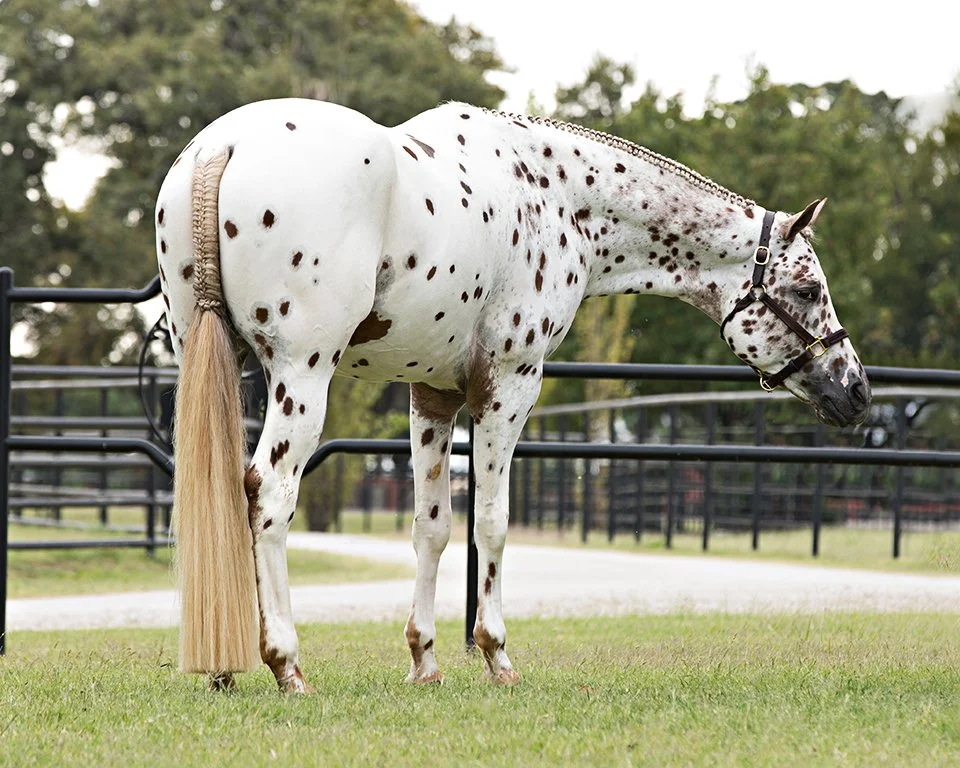
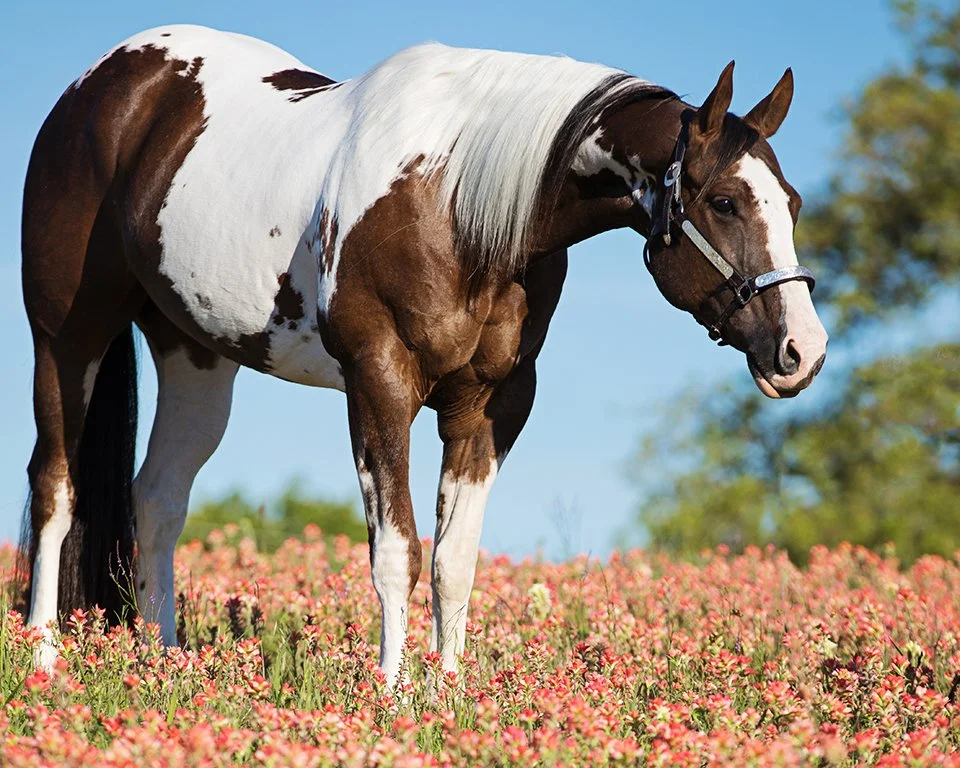
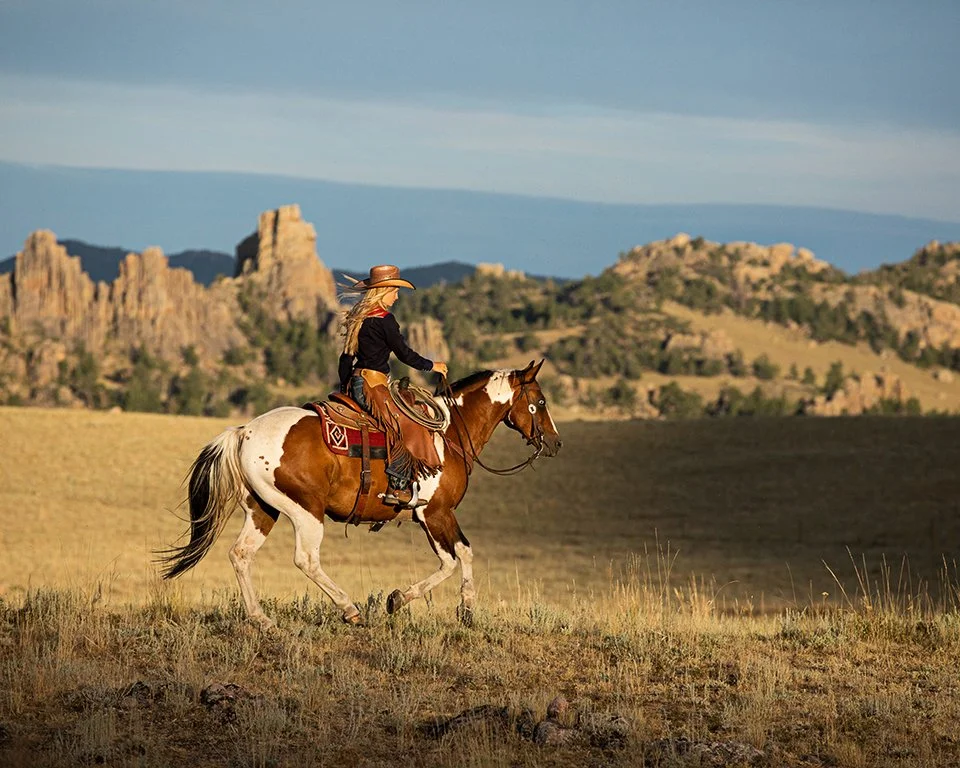
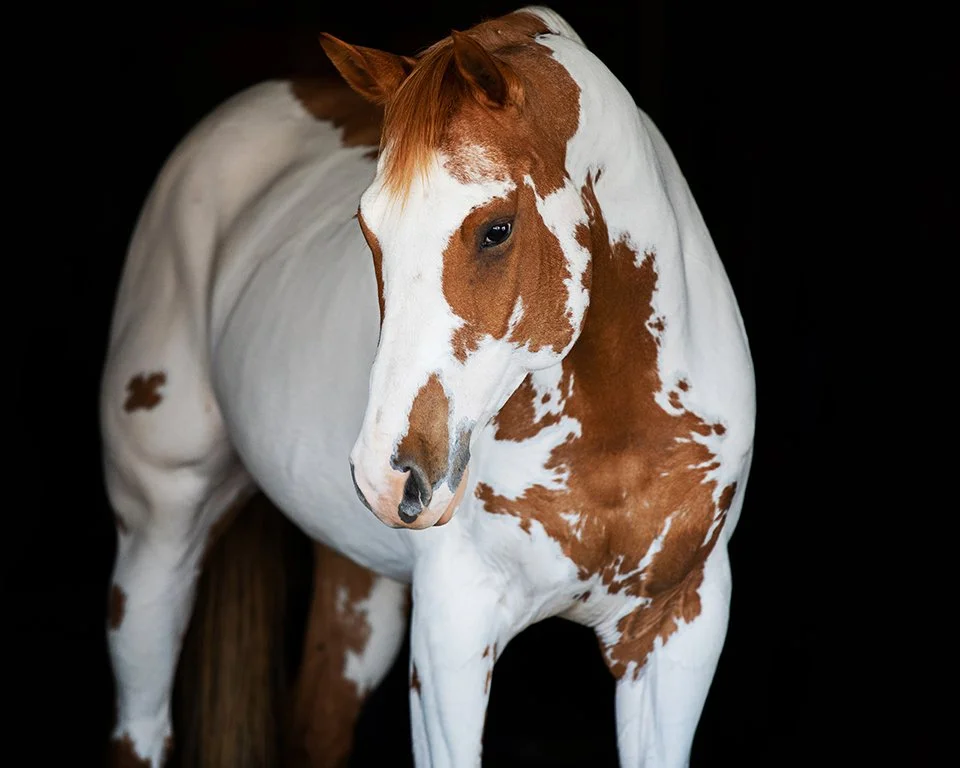
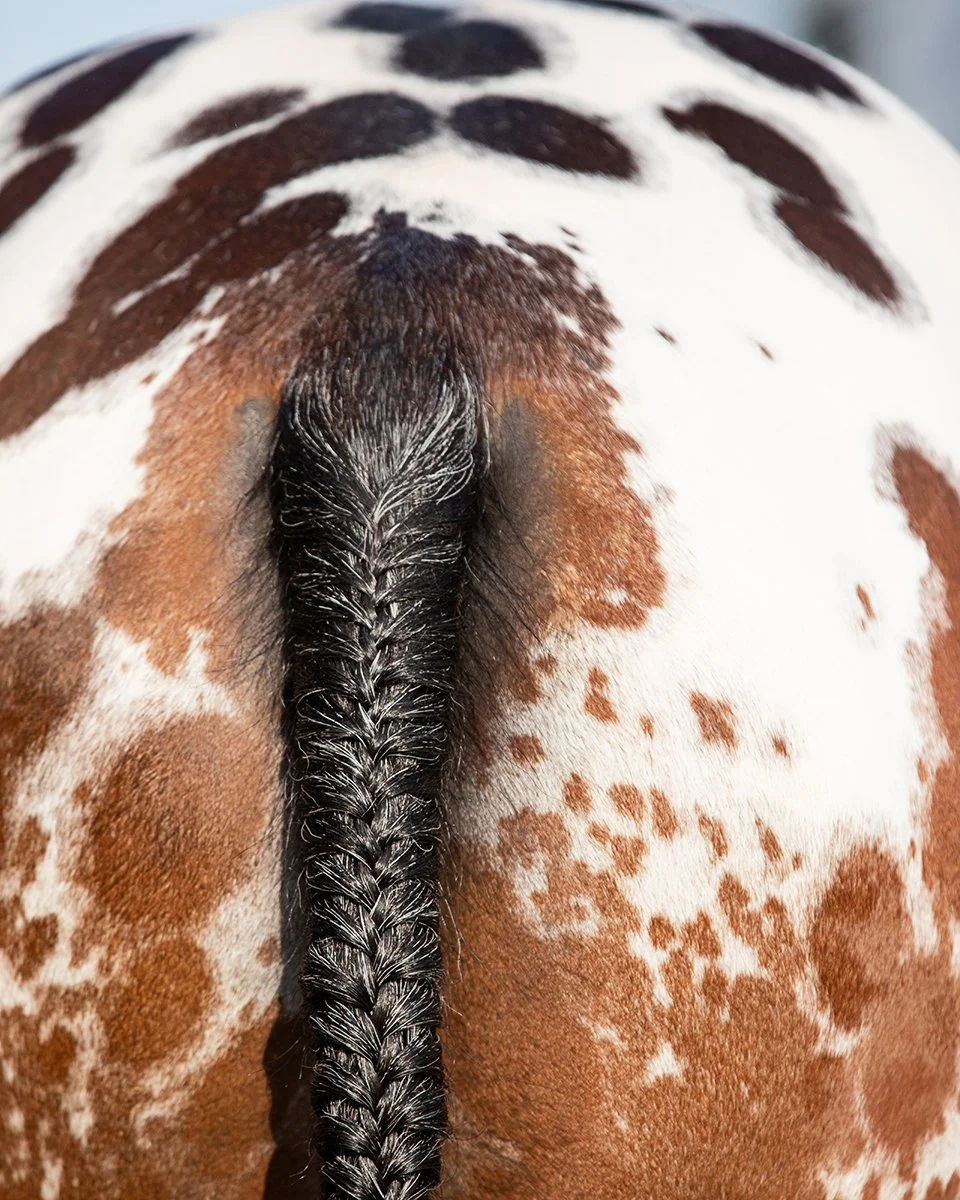
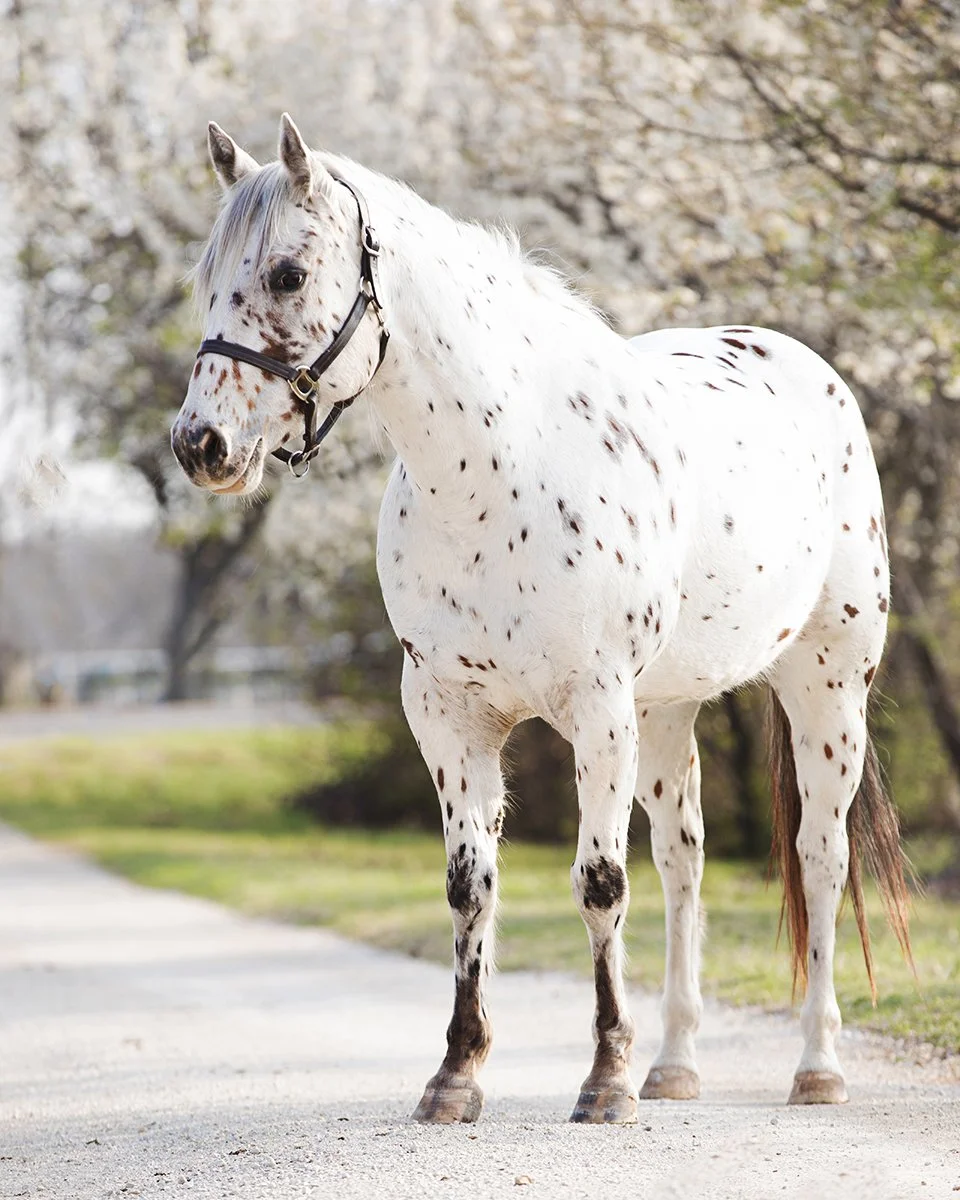
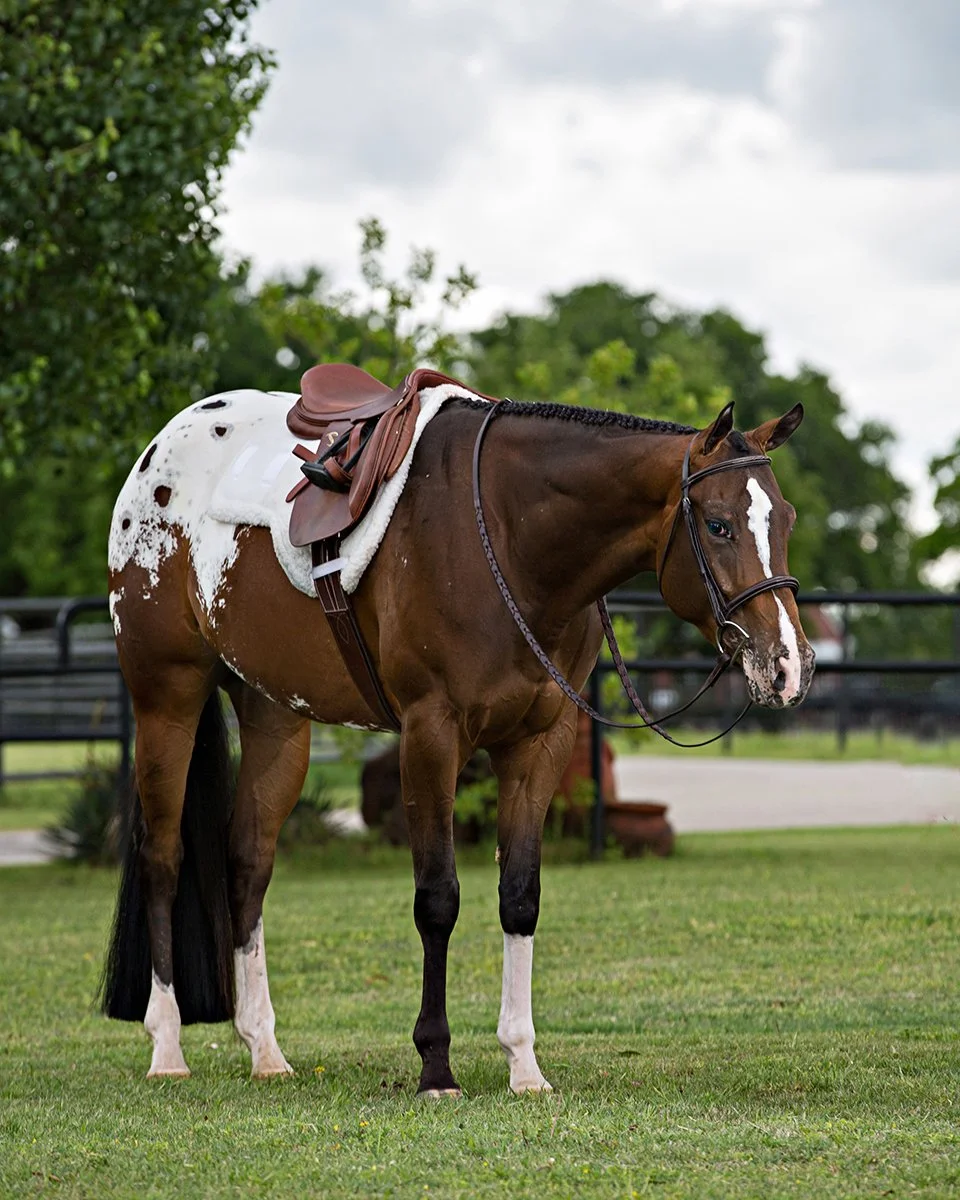
9. Appaloosa& Paint Horses
Characteristics: Distinctive coat patterns.
Photography Tips: Emphasize their unique coat patterns, using natural light to bring out the contrast in their markings. Action shots can show off their agility and spirit.
General Tips:
Research the Breed: Before the shoot, learn about the specific breed’s temperament, strengths, and typical poses.
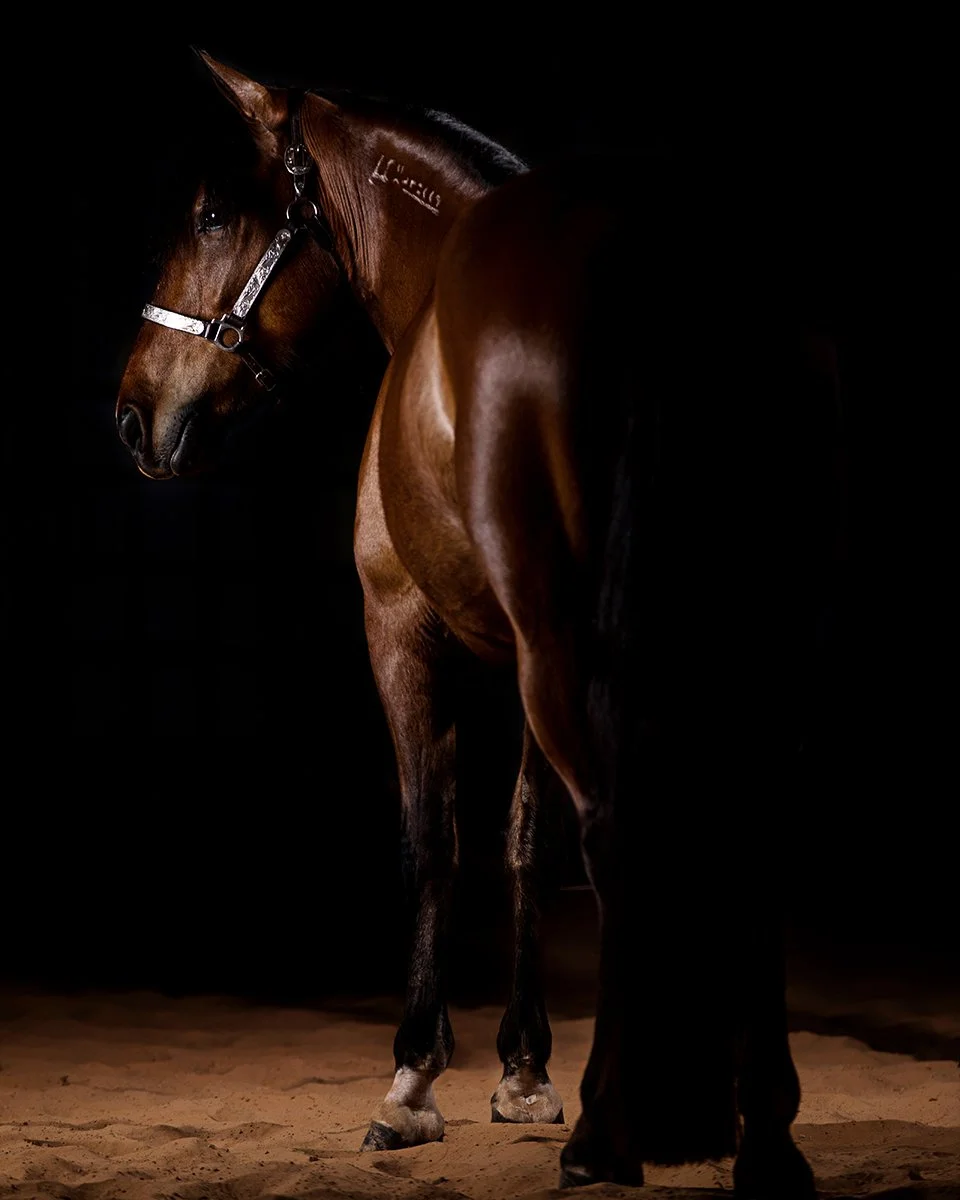
Use the Right Lighting: Natural light is often best, but consider how different light angles highlight specific features of each breed.
Environment Matters: Choose locations that complement the horses coloring.
Patience is Key: Some breeds may be more sensitive or skittish, so be patient and allow time for the horse to relax.
Photographing different horse breeds with attention to their unique qualities will not only enhance the beauty of your images but also show your understanding and respect for each breed.

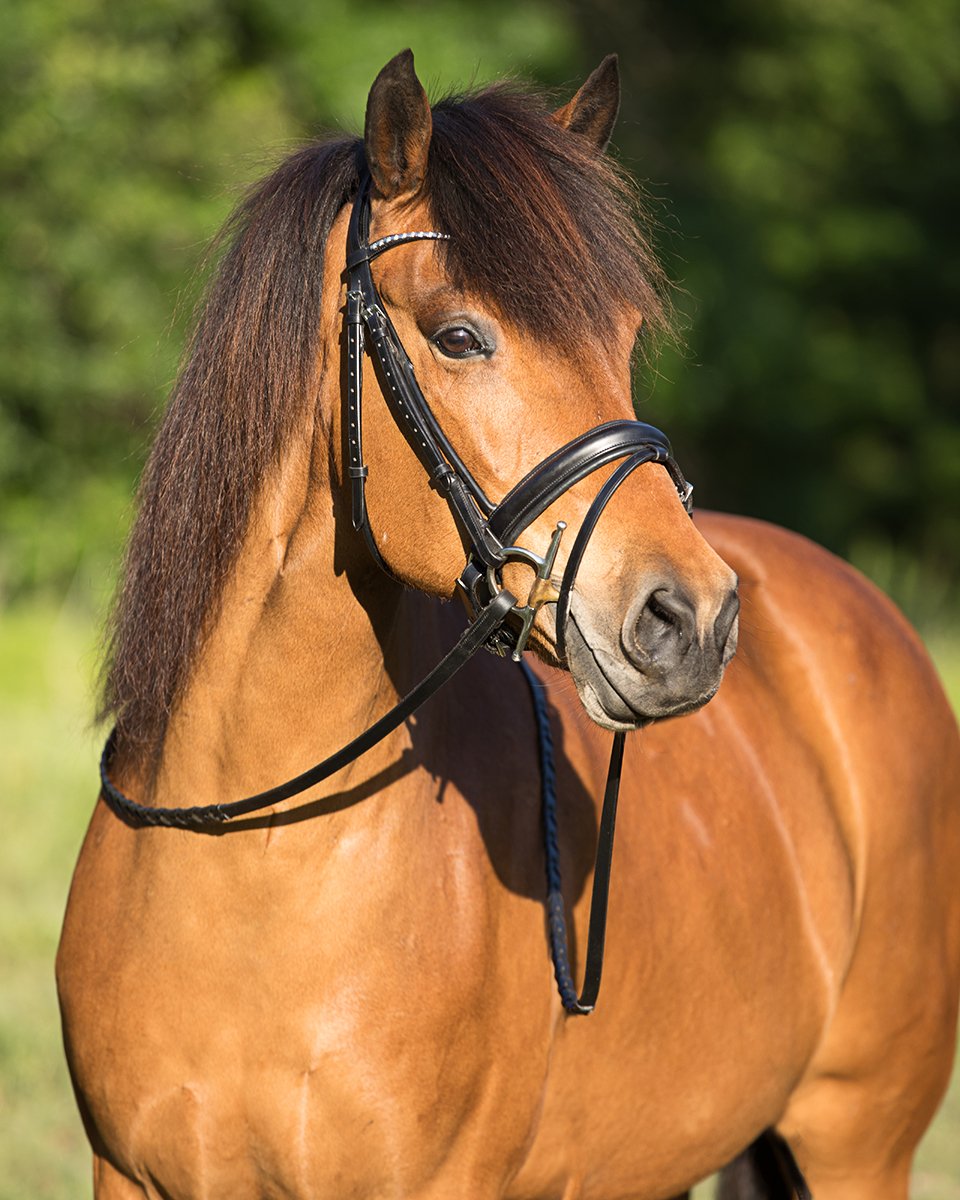
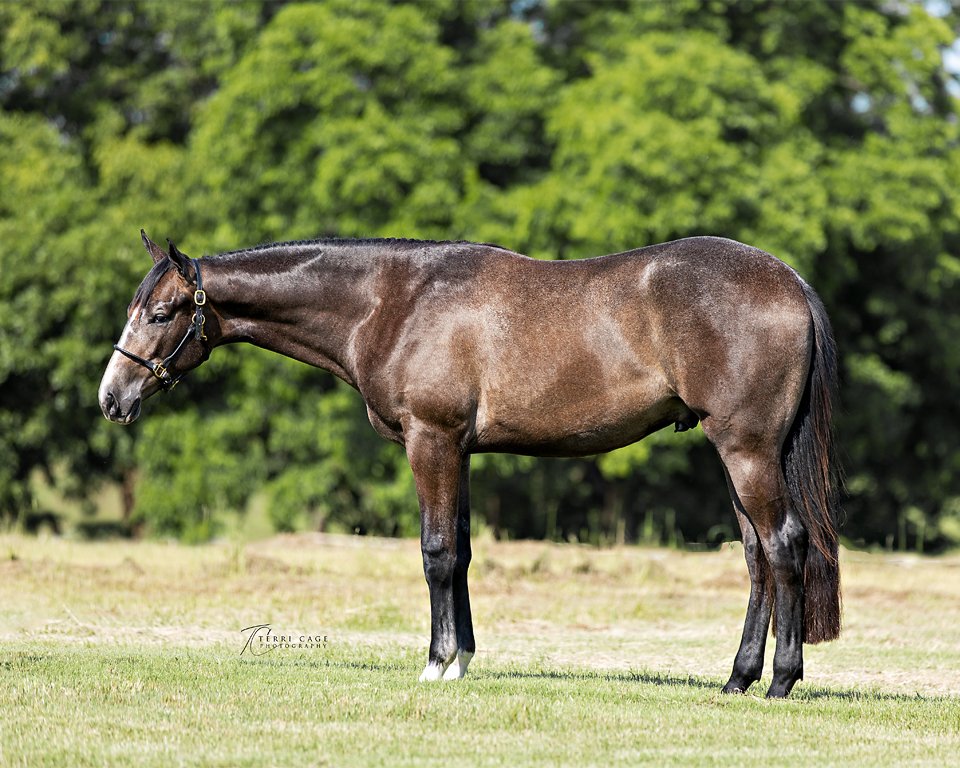
horse sale photography
equine photography course
conformation horse photography
professional horse sale photos
equine conformation photography
how to photograph horses for sale
best angles for horse photography
horse conformation photo tips
lighting for horse sale photos
preparing a horse for photography
backgrounds for horse photography
photographing horses for marketing
equine photography tips for beginners